Patient Handouts vs. Verbal Instructions: What the Research Actually Shows
Research shows patients forget 40-80% of verbal medical info. See what studies say about written patient handouts vs. verbal instructions and what works best.
Verbal + Written Handout >> Only-Verbal
Only verbal communication enables a clinician to establish a trustworthy relationship with patients, but verbal and written handouts do more than that; they store information and transfer it to patients so they can follow instructions at a later time without missing anything.
When a patient leaves your clinic with only verbal instructions, there's a good risk they won't remember them. Research published in the Journal of the Royal Society of Medicine found that patients forget 40 to 80% of medical information before leaving a clinical visit. They misremember about half of what they recall.
Under the prevalent circumstances like lengthy visits, stressful appointments, and a lot of directions, the rate of forgetting is increased by lengthy visits, stressful appointments, and a lot of directions. A patient is less likely to recall oral instructions when they depart after an operation, a new diagnosis, or a medication change.
This article discusses the benefits of written patient handouts over verbal instruction alone. The research's ramifications for your clinic's approach to patient education are discussed, as well as which specialties show the greatest variations.
What Actually Happens to Verbal Instructions After a Visit
Forty to eighty percent. That's the share of clinical information patients forget before they leave the building.
The forgetting is not random. Research published in PLOS One on ambulatory specialty care visits identified three consistent factors that make post-visit forgetting worse:
- Every visit brings additional recommendations, suggesting that more are missed. Patients who received three or four recommendations during a visit were significantly more likely to forget than those who received one or two.
- Provider-dominant conversations reduce retention. When providers speak significantly more than patients, recall rates drop, most sharply for patients with lower health literacy.
- Recall is lower during high-stress appointments. Anxiety is being managed by a patient who receives a new diagnosis, unexpected test results, or instructions following surgery. In those circumstances, memory functions poorly.
Of the information patients do retain, roughly half is recalled incorrectly. That's the part most clinics miss. A patient may leave your appointment confident they understood the instructions, and still follow the wrong ones.
Verbal instruction is also a one-time event. The patient can't review it at home on day three. They can't share it with the family member helping with their recovery. They have no record of what was actually said.
What Research Shows When You Add a Written Handout
The fundamental conclusion of several systematic reviews is the same: verbal and written teaching combined yields noticeably better results than verbal instruction alone.
Health Education Research published a comprehensive review of verbal-only discharge information versus verbal plus written materials for patients leaving hospital settings. The combo approach clearly increased patient satisfaction and comprehension. Parents who got both formats showed a better understanding of post-discharge care than parents who only received verbal instructions.
For medication education, the evidence is more specific. A study published in PLOS One found that patients' knowledge about their medicines improved significantly across all tested aspects after reading written information, compared to verbal instruction alone. The improvement held across drug types and patient backgrounds.
The research is not arguing that verbal instruction is the wrong approach. It's showing that verbal instruction alone leaves a predictable gap. A written patient handout closes that gap by giving patients a reference they can use days after the appointment when the conversation is no longer available to them.
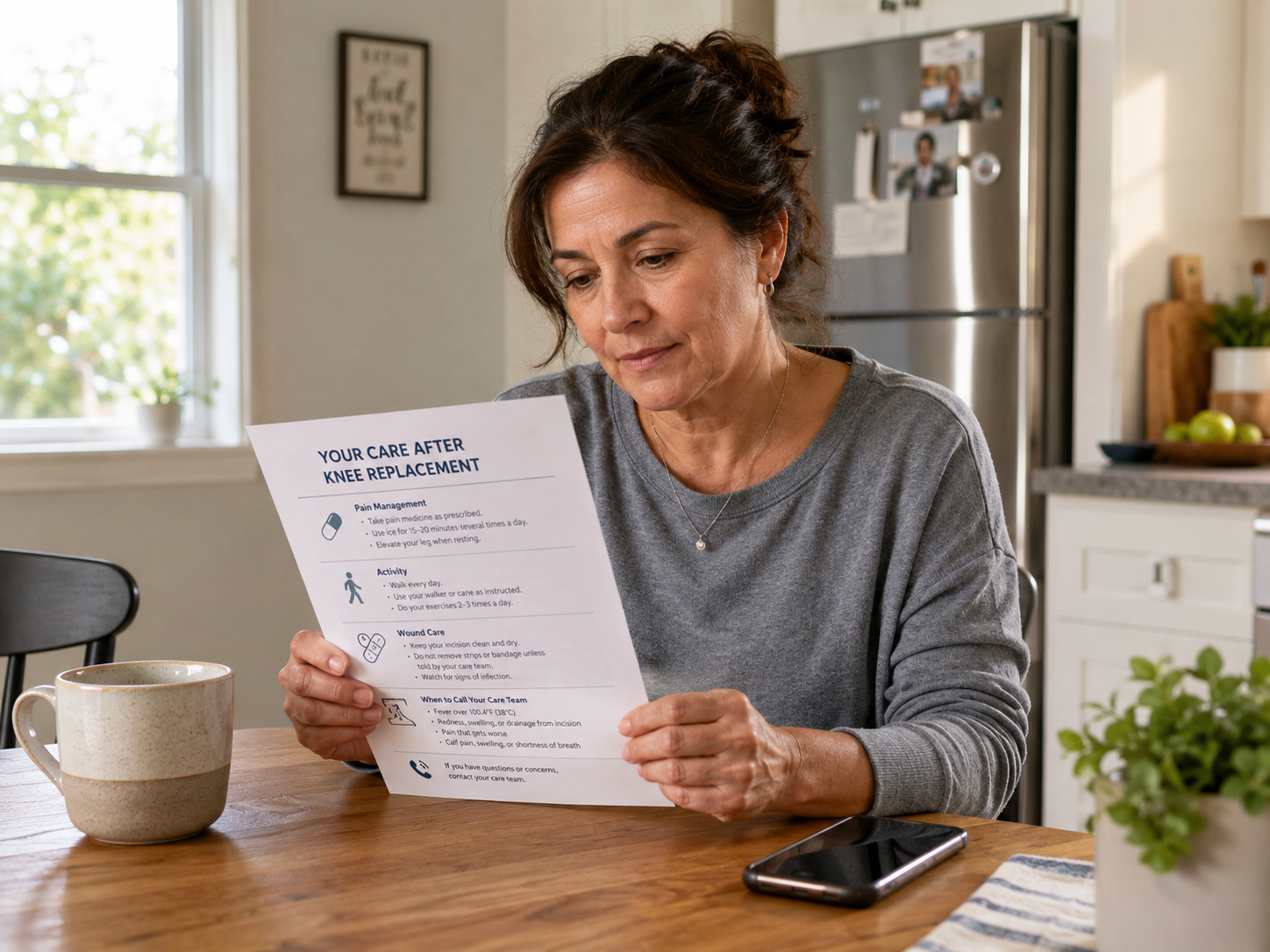
Figure 1. The critical difference between verbal and written instruction is timing: patients need the information most three days after the visit, not during it.
When Verbal Instruction Works and When It Falls Short
Verbal instruction is the right approach for the wrong moment if used alone.
What verbal instruction does well:
- Builds the patient relationship. Providers explain, patients ask questions in real time, trust develops during the conversation.
- Allows adjustment on the fly. A good provider reads the patient's face and adapts the explanation in ways no handout can match.
- Handles the unexpected. Verbal conversation can address concerns that no template anticipates.
What verbal instruction can't do:
- It doesn't persist. Patients have no record of it after they leave.
- It doesn't transfer. A patient can't hand their verbal instructions to a family member helping with recovery.
- It doesn't scale. Every callback your front desk fields about instructions already given is time your staff isn't spending on patients in the room.
Research from the Agency for Healthcare Research and Quality found that retention drops significantly within 24 hours even after successful teach-back. That method confirms a patient understood instructions before leaving. It doesn't prevent the forgetting that happens at home.
That's the gap a written handout fills. Not instead of the verbal explanation. After it.
Where Patient Handouts Make the Biggest Difference by Specialty
The evidence for combined verbal and written instruction holds across clinical settings. But certain visit types show a sharper gap between verbal-only and verbal-plus-written outcomes.
Post-procedure care. Patients leaving after a tooth extraction, knee surgery, laceration repair, or any procedure involving sedation have notably worse recall. The physical and emotional state of a post-procedure patient is among the worst conditions for retaining verbal information. A written handout given at checkout becomes the only record they have. Dental patient handout templates at ClinicsFlows cover 100 procedures including post-extraction care, root canal recovery, and orthodontic instructions.
New medication starts. Starting a new medication comes with a dense verbal explanation: dosing schedule, side effects, interactions, and what to watch for. Patients starting antihypertensives, statins, or psychiatric medications are among the highest-risk groups for post-appointment confusion. A written reference they can check at home reduces both medication errors and callbacks. Cardiology patient handout templates cover hypertension management, post-procedure recovery, and chronic cardiac care for patients starting new treatment.
Pediatric care. Parents at well-child visits absorb a significant amount of information under time pressure. Vaccination side effects, developmental milestones, and fever management guidance are typically explained once and expected to be retained. Most parents don't retain them fully. Pediatric patient handout templates give parents a reference for the 9pm moment when symptoms start and they'd otherwise call your after-hours line.
Chronic condition management. A patient newly diagnosed with hypertension or beginning physical therapy for chronic lower back pain needs ongoing guidance that stays available between appointments. A written guide covering daily management, warning signs, and when to call helps patients self-manage without calling the clinic about guidance they've already received. Physical therapy patient handout templates cover home management for the most common conditions by body region and procedure type.
Mental health. Patients leaving a first appointment for a new mental health diagnosis are often in one of the most emotionally elevated states in clinical care. Retention of verbal information is lowest in exactly these conditions. A clear, plain-language take-home sheet covering the diagnosis, medications if applicable, and concrete next steps gives patients something to return to when they're ready.
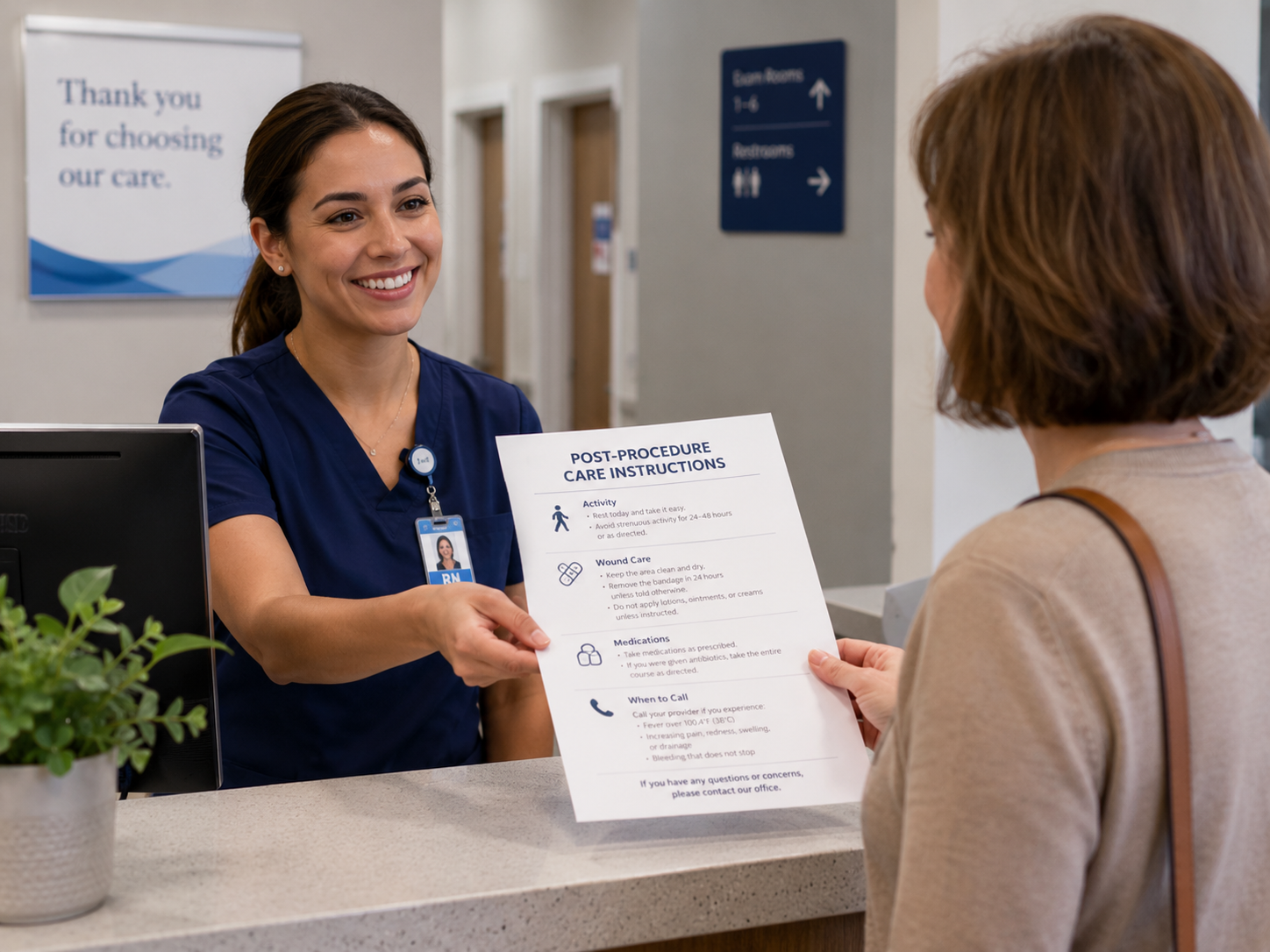
Figure 1. Checkout is the highest-value moment to give a written handout. Patients are most primed to reference it in the days immediately following.
How to Make Written and Verbal Work Together
The research doesn't argue for one approach over the other. It shows that the combination outperforms either alone. But how clinics deliver that combination matters.
Timing changes how much patients use the handout. A sheet given in the waiting room before an appointment is read differently than one given at checkout after a procedure. Checkout is when patients are most primed to reference what they take home. That's the moment to hand them the written follow-up.
Generic handouts don't close the gap. A post-procedure care sheet that could apply to any procedure gives patients nothing specific to act on. A handout written for the specific procedure, in plain language, with a clear warning signs section and a procedure-specific FAQ, is the one patients reference. Research published in Patient Education and Counseling found that materials written at a 6th-grade reading level show significantly higher comprehension and adherence across patient populations. Most clinic handouts sit well above that level.
Your contact information has to be on it. A handout without your clinic name, phone number, and a clear "when to call us" section doesn't complete the job. It sends patients to a search engine instead of back to you. Every patient education handout your clinic gives out should have your name on it and a clear path back to your front desk.
A front desk coordinator at a 3-provider urgent care clinic was fielding 20 or more callbacks every week about wound care, sprain recovery, and medication questions. She matched each of those visit types to a template from ClinicsFlows. She added the clinic's name, phone number, and logo. Callback volume dropped by more than half within the month. The information hadn't changed. The format had.
ClinicsFlows has 2000+ free patient handout templates across 14 specialties, each written by specialty and procedure at a reading level patients can follow. Browse the full library at clinicsflows.com/handouts and start with the visit type that generates the most post-appointment questions from your patients.
Frequently Asked Questions
Do patient handouts actually improve patient outcomes?
Studies repeatedly demonstrate that patients who get both written and vocal information recall more, express greater satisfaction, and comprehend post-discharge treatment more fully than those who solely receive verbal teaching. The impact is greatest for managing chronic conditions, starting new medications, and providing post-procedure care. The data is in favor of mixed delivery rather than a single strategy.
How much do patients typically forget after a doctor's appointment?
Research published in the Journal of the Royal Society of Medicine found that patients immediately forget 40 to 80% of medical information provided during a clinical visit. Of what they retain, roughly half is recalled correctly. Forgetting worsens with visit length, patient stress level, and the number of instructions given at once.
Is teach-back enough, or do patients still need a written handout?
Teach-back confirms that a patient understood instructions before leaving. It doesn't prevent the forgetting that happens at home. Research from AHRQ shows that retention drops significantly within 24 hours even after successful teach-back. A written handout extends the effect of the verbal conversation into the days following the appointment.
What makes a patient handout more effective than verbal instruction alone?
A written handout persists after the appointment. Patients can review it at home, share it with a family member helping with recovery, and check their understanding against a written record. Verbal instruction has none of those properties. The research on combined verbal and written delivery consistently shows better knowledge retention and patient satisfaction than verbal alone.
What should a patient handout include to be effective?
At minimum: the condition or procedure in plain language, specific numbered steps to follow, warning signs to watch for, and your clinic's phone number at the bottom. Research from the Agency for Healthcare Research and Quality recommends targeting a 6th-grade reading level. Keep it to one page where possible. Patients are more likely to read and reference a handout that fits on a single sheet.
The Research Asks One Question. Your Clinic Already Has the Answer.
The evidence on patient handouts vs. verbal instructions is not asking whether your providers should stop explaining. They should keep explaining. The research asks what patients are left with after the explanation ends.
Right now, most patients leave with memory. Memory fades. A handout doesn't.
Start with your highest-callback procedure. Find a written handout for it at ClinicsFlows. Add your clinic's name and number. Give it at checkout. That one handout will do more for your post-appointment callbacks than any change you can make to the verbal conversation itself.
Browse 2,000+ free patient handout templates, sorted by specialty and procedure, at clinicsflows.com/handouts. Every template is free, ready to brand with your clinic's details, and written to work alongside what your providers already say.